Logo and Identity Banner


Top Navigation Tabs
Image Slider
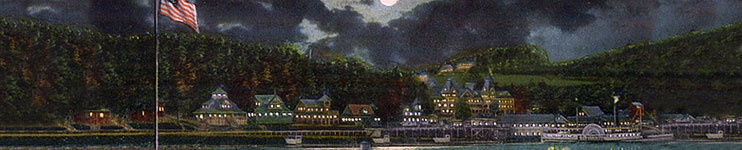
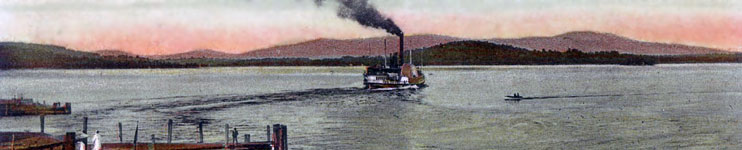
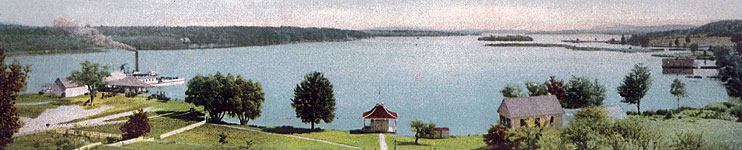
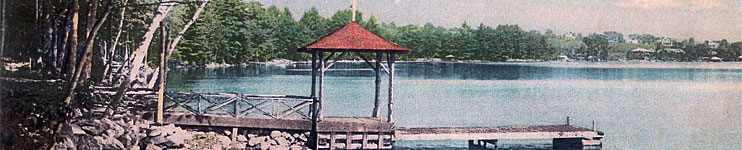
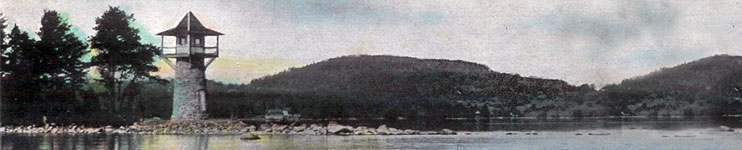
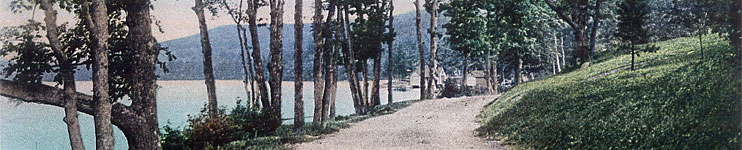
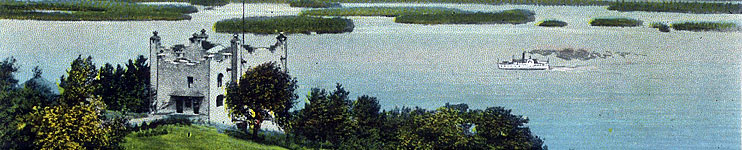
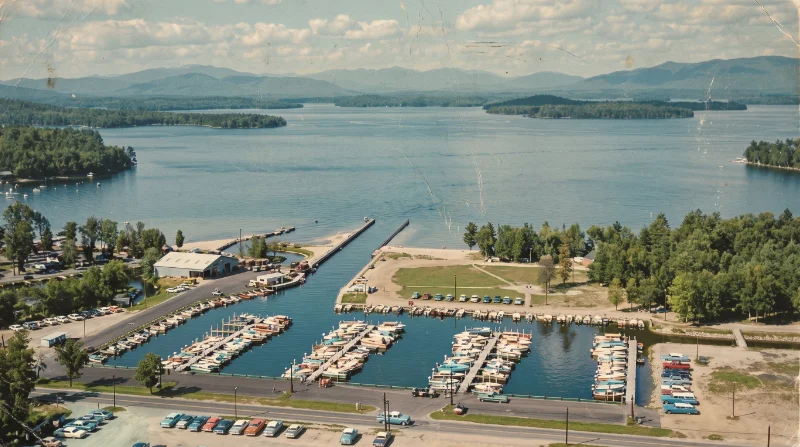
Originally established in the late 1770s as the "Gunstock Parish" of Gilmanton, the area saw its first permanent homesteaders around 1777–1778, including James Ames, Captain Samuel Gilman, and Revolutionary War veteran Samuel Jewett. As the settlement expanded and the long trek south to Gilmanton’s center proved burdensome, residents built their own two-story meetinghouse on Gunstock Hill in 1792, laying the groundwork for a distinct civic community.
Gilford achieved full independence on June 16, 1812, when the New Hampshire legislature granted its incorporation as an autonomous town. Lemuel B. Mason, a local veteran of the pivotal 1781 Battle of Guilford Court House in North Carolina, was given the honor of naming the settlement. He chose "Guilford" in tribute to the engagement, but an enrolling clerk in the Concord statehouse accidentally omitted the letter "u" in the official charter, permanently christening the town as Gilford.
Throughout the nineteenth century, Gilford underwent significant territorial shifts, relinquishing valuable industrial land, mills along the Winnipesaukee River, and the Lakeport district to neighboring Laconia in 1855, 1874, and 1893. Despite losing its manufacturing core, the town steadily transformed from a quiet farming community into a cornerstone of the Lakes Region, today celebrated for its Lake Winnipesaukee shoreline, historic Gunstock Parish roots, and year-round recreation at Gunstock Mountain.